
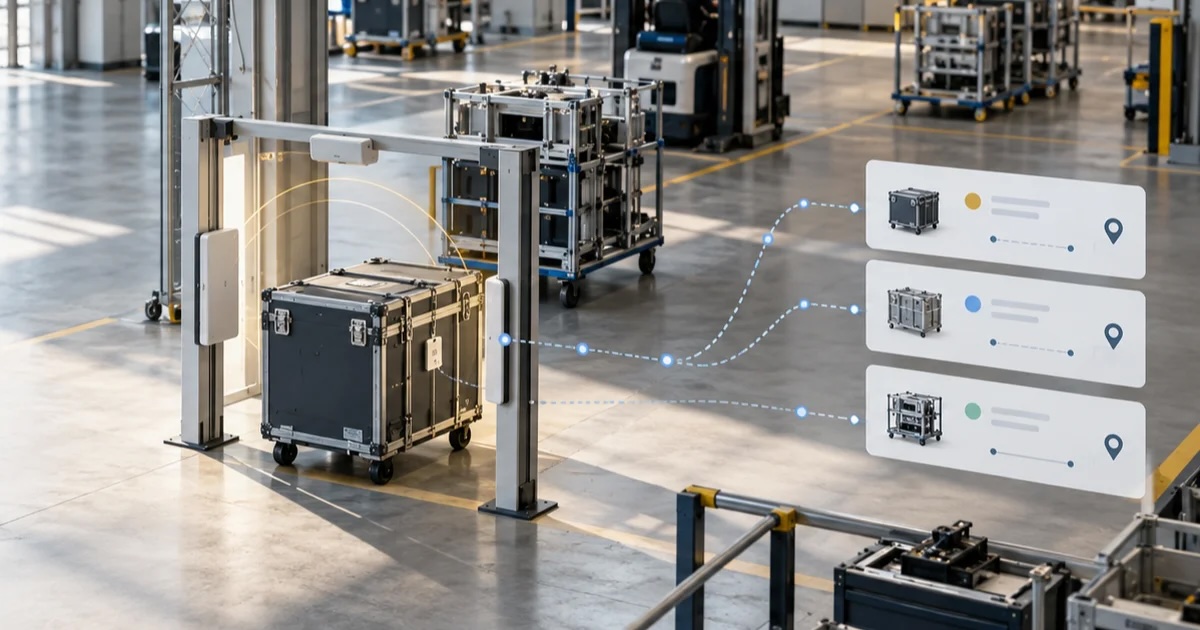

RFID site assessments that show what will work in your facility.
An RFID site survey tests tags, read points and RF conditions with your actual assets and workflows. FactorySense engineers document the findings, recommend equipment placement and identify what still needs validation, so you can plan the next step with evidence from your own facility.
A floor plan alone cannot tell you how RFID will perform.
Metal tooling, packed inventory, and the way assets move through your facility all affect RFID performance. We start by walking the floor with the people who use those tools and materials every day. We ask where items get delayed or misplaced, what your team needs to know, and determine how and where read points could fit into the work without getting in the way. Then we test tags and read points with your actual assets. You’ll see what works, where adjustments are needed, and what that means for equipment placement and integration before committing to deployment.
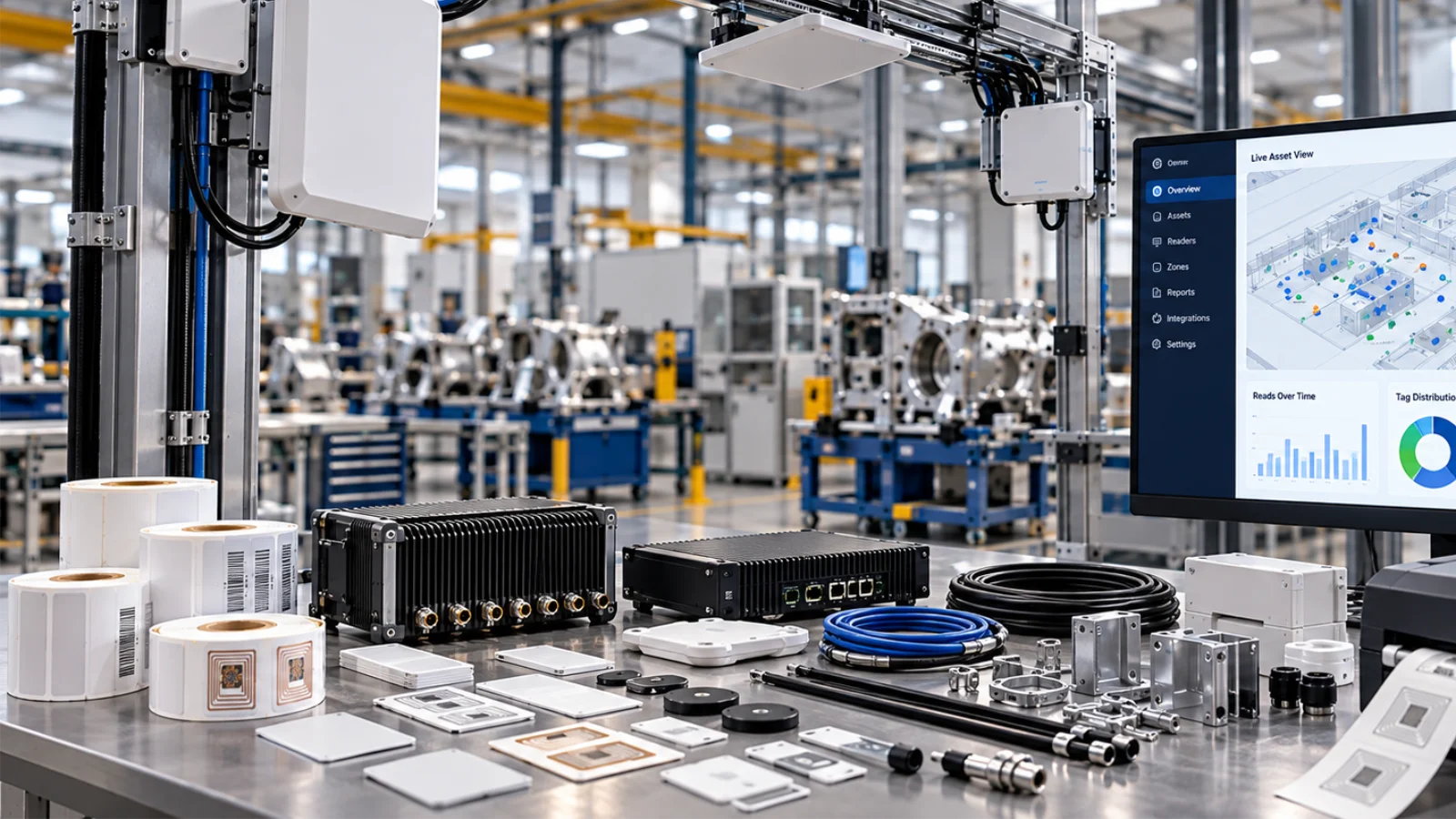
What blocks RFID?
How metal, water, tag orientation, and crowded read zones affect performance, and what to check when reads go wrong.
Read the articleWhat we check during an RFID site assessment
We focus the survey on what you need to track, how it moves, and where you need reliable information. Each test helps answer a practical question about the design.
We test RFID tags on your materials and at likely mounting points. Metal, liquids, packaging, tag orientation, and everyday handling can all change how well a tag reads.
We follow items through the process to find useful read points and check whether nearby movement could trigger the wrong event. Where a fixed reader is impractical, we consider handheld scanning.
Test reader and antenna placement in your facility, including coverage, interference, missed reads and overlap with neighboring read zones. We check the movement and orientations the system will encounter during normal work.
We check mounting locations, power, network access, safety, and installation access. We also identify which events need to reach your ERP, MES, WMS, or other systems, and what needs further testing.
Test tag choices where they will actually be used.
A tag that reads well on a workbench may behave differently when it is mounted on metal, packed into a loaded tote or moving past nearby tags. We test candidate tags on your assets in their intended positions, with the proposed readers and normal handling. That shows which choices hold up on the floor and which need adjustment before a larger pilot.
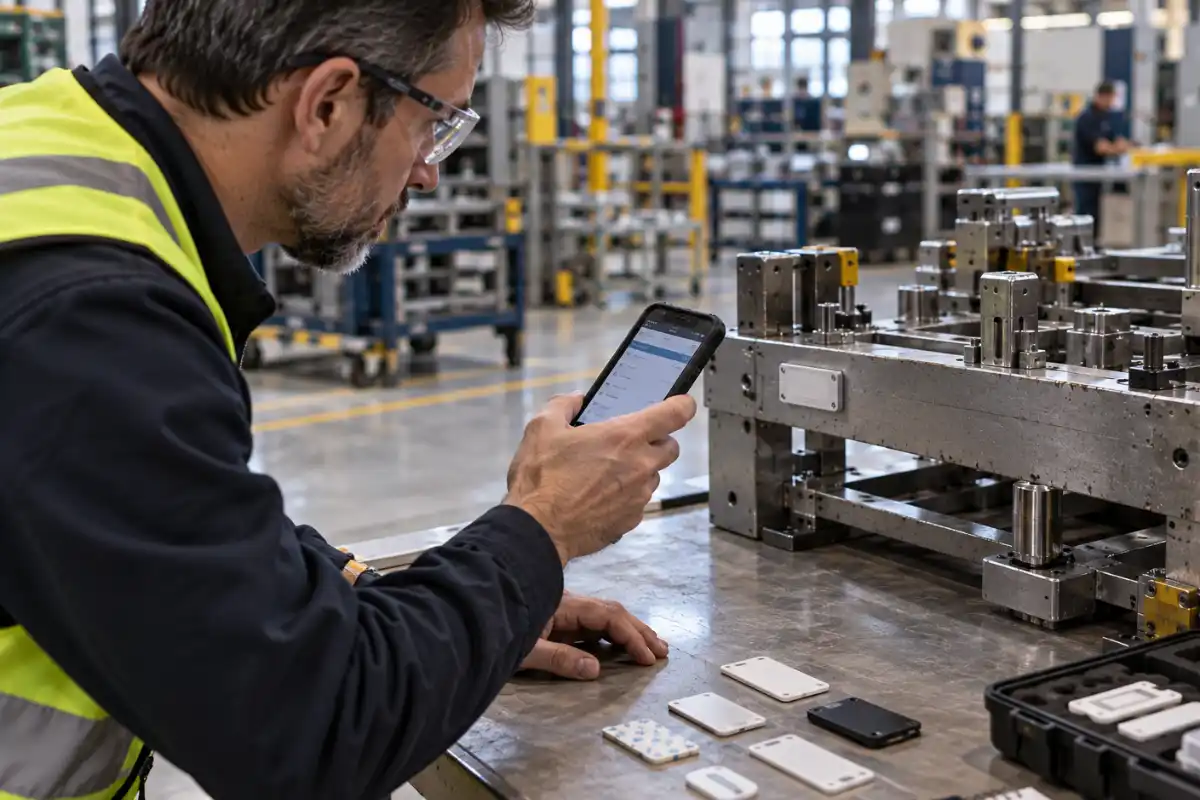

What happens during the survey, and what you receive.
Before the visit, we agree on the tests and deliverables. Your findings cover the assets and tags tested, RF and environmental conditions, proposed read zones, installation constraints, design risks and recommended next steps. The scope determines the floor plans, equipment recommendations and pilot criteria included.
Agree on what to test
We review what you need to track, the problem you want to solve, and your floor plans and existing systems. Together, we choose the situations to test and agree on access, safety, and what success looks like.
Walk the process and test
We walk the process with your team and try tags and read points. Wherever possible, we test during normal operations, with the movement and handling the system will need to work with every day.
Document the findings
Receive a record of what we tested, how it performed and the limits we found. Depending on scope, this includes marked-up floor plans, proposed reader and antenna locations, setup recommendations and follow-up tests.
Plan the next stage
We review the findings with you and recommend the next steps: refine the design, run a pilot, or fix an existing system. We identify what still needs testing and agree on the checks required before production.
Start at one plant. Learn before you expand.
At a global heavy equipment manufacturer, FactorySense started with a two-week pilot at its largest U.S. plant, following security and IT approval. The team combined passive RFID, BLE, and handheld search to suit how tools moved and the location information operators needed.
Different jobs can call for different tracking methods: fixed RFID at tool cribs and calibration areas, BLE for broader presence, and handhelds to help find a tool. Test the approach in one plant before deciding how to use it at other sites.
RFID site assessment questions
Here’s what to expect when planning your visit.
How is a site assessment different from RFID consulting?+
RFID consulting helps define what the system needs to do and how to approach the project. A site assessment, often called an RFID site survey, tests those choices in your facility with your actual assets and workflows. It can be part of a consulting engagement or a focused visit to answer a specific engineering question.
Can you assess an existing RFID system?+
Yes. If you’re seeing missed reads, inconsistent coverage, or reads from the wrong area, we can investigate. We check tag placement, reader setups, RF conditions, and how the software interprets reads. We also look at whether changes to your workflow are affecting the system.
How long does an RFID site survey take?+
It depends on the size of your facility, the assets and read zones involved, and the testing and access needed. A visit may take a day; a larger assessment may run for several weeks. We agree on the test plan and deliverables before scheduling.
Will testing interrupt production?+
We plan the visit with your operations and safety teams. We can often observe and test during normal work, though some checks may need controlled access or scheduled downtime. We agree on those arrangements with you in advance.
Does a survey guarantee production performance?+
The survey shows how RFID performs under the conditions we test. A pilot and acceptance testing may still be needed to check the full production workflow, operating conditions, and system integrations. We’ll explain what the findings support and what still needs testing.
Can an assessment cover multiple buildings or sites?+
Yes. We assess the workflows and conditions at each location, then identify which parts of the design can be reused and which need to change. A reader setup that works at one site may need adjustments at another.
Let’s discuss what you need to track.
Tell us what moves through your facility and where you need better visibility. We’ll help plan a site assessment that gives you useful answers and clear next steps.